Blood sugar, meal rhythm and useful context
Understanding carbohydrate foods without reducing health to one number.

Meals are more than carbohydrate totals
Fibre, protein, fats, portion size, activity, sleep and medicines can all affect blood glucose. Pairing foods may change how quickly a meal is digested, but individual responses differ. People with diabetes should follow their care plan and ask their team before changing medication or carbohydrate targets.
Practical structure
Regular meals can make planning easier for some people, while shift work and appetite changes may require flexibility. Choose water regularly, include vegetables where practical and compare labels across similar foods. These are general ideas, not a personalised prescription.
| Consideration | Everyday example |
|---|---|
| Fibre | Beans, oats, vegetables or wholegrain bread. |
| Pairing | Add yoghurt, eggs, nuts or pulses where suitable. |
| Monitoring | Use the plan agreed with your clinical team. |
Seek urgent medical help for severe symptoms such as confusion, collapse or difficulty staying awake.
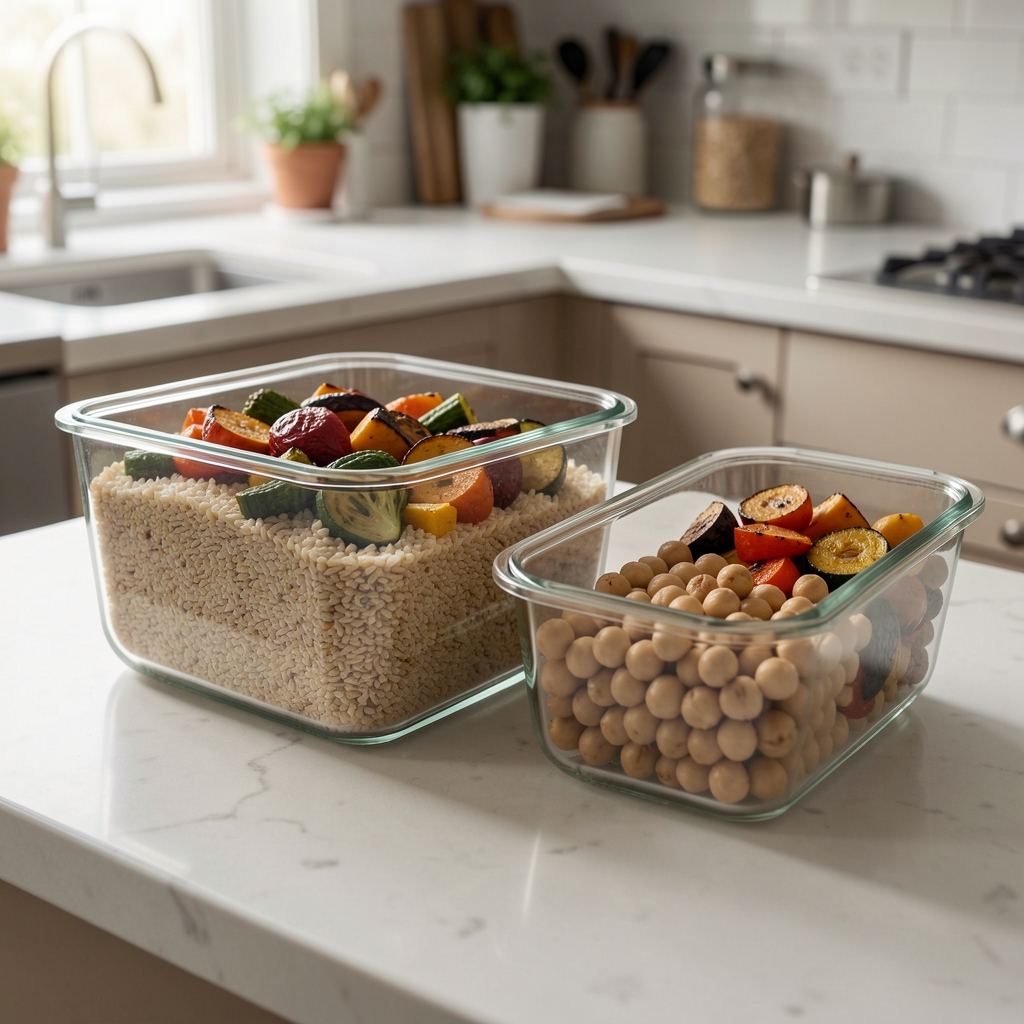
Numbers become meaningful when they are interpreted with a person’s full context.
Ask for support
A GP, practice nurse or registered dietitian can help interpret results and adjust care safely.
Understanding everyday meal patterns
Blood sugar is a technical subject, but everyday discussions often begin with ordinary questions about breakfast, snacks, timing and composition. This page offers general context rather than a personal plan. Different people respond differently to meals, activity, medication and sleep, so a general description should not be treated as an instruction.
Meals that include fibre-rich foods, a source of protein and a range of ingredients are often discussed in relation to satiety and routine. The useful question is whether a pattern is practical, culturally familiar and suitable for the person following it.
| Meal element | Example category | Planning question |
|---|---|---|
| Fibre-rich choice | Oats, beans, vegetables or wholegrains | Can this be added in a familiar way? |
| Protein source | Eggs, pulses, fish or yoghurt | Does the meal feel satisfying? |
| Routine | Regular meals and water | Does the timing fit the day? |
- Notice patterns across several days rather than one meal.
- Keep personal records private and discuss them appropriately.
- Ask a professional before changing a prescribed plan.
A practical reading route
- Describe the meal without judging it.
- Identify its main ingredients and timing.
- Consider what made the choice easy or difficult.
- Read relevant evidence and note uncertainty.
- Prepare a question for a qualified professional if needed.
“A steady routine is easier to understand when it is viewed across real days, not isolated moments.”
Yarrow avoids numerical promises and focuses on food literacy, context and questions that can support a more informed conversation.
Questions readers ask
Is this a personalised blood sugar plan?
No. It is general editorial information.
Should I change prescribed care after reading?
No. Discuss any proposed change with the professional responsible for your care.
Why include sleep and movement?
They are connected parts of daily routine and may shape how people plan meals.
Making observations without judgement
A food record can be descriptive rather than critical. Note the meal, timing, setting, hunger, sleep and activity if those details are relevant, then discuss the pattern with an appropriate professional when needed. One entry rarely explains a complex personal experience.
- Keep records proportionate and private.
- Avoid changing prescribed care from general reading.
- Look for questions, not instant conclusions.